

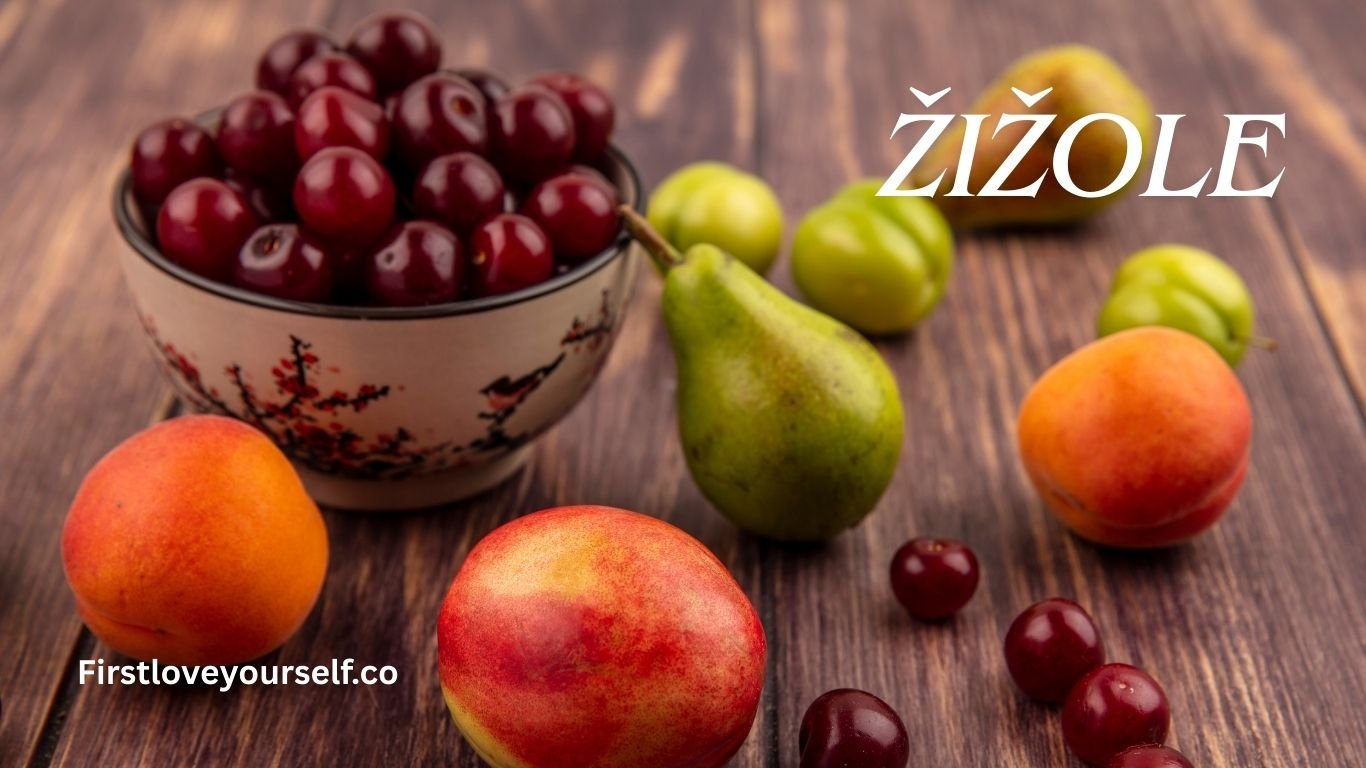
Žižole, often referred to as the jujube or red date, is a small yet remarkable fruit celebrated across various cultures for its versatility, nutritional richness, and deep connection to tradition. Although it looks simple on the outside, it carries centuries of history, medicinal significance, and culinary value. As more people search for natural and wholesome foods, interest in žižole continues to grow rapidly. From its ability to support wellbeing to its role in community heritage, this fruit stands out as a genuine symbol of nourishment and cultural continuity.
Origins and Cultural Significance
Žižole has been cultivated for more than 4,000 years, and its earliest roots are traced to regions of Asia, particularly China. Over time, the fruit spread across Central Asia, the Middle East, and Europe, eventually earning a place in Mediterranean traditions. Even today, it remains cherished in countries such as Croatia, Slovenia, Italy, and Greece.
Although žižole’s popularity stems partly from its sweet and chewy texture, its cultural importance can be felt even more strongly. It often appears in autumn festivals, traditional dishes, and herbal preparations. In many villages, families still gather under old žižola trees, celebrating seasonal harvests and carrying forward stories that have shaped generations. Because of this strong connection to community life, žižole is viewed not just as a fruit but as a cultural emblem.
Plant Characteristics and Growing Conditions
The žižole tree is resilient and adaptable, making it suitable for a wide range of climates. It thrives in warm, sunny environments and tolerates drought exceptionally well. Although it prefers sandy or loamy soil, it can grow successfully in harsher earth where other fruit trees might fail.
The tree typically grows between 4 and 10 meters in height. Its long branches support glossy green leaves that turn yellow as the seasons change. Small, fragrant yellow flowers appear in late spring or early summer, eventually producing round or oval fruits that transition from green to brownish-red as they ripen. Because the tree requires minimal maintenance, small farms and backyard growers often cultivate žižole for both personal and commercial use.
Nutritional Benefits of Žižole
One of the main reasons for Žižole’s rising global interest is its exceptional nutritional profile. Although the fruit is small, it contains a powerful blend of vitamins, minerals, antioxidants, and fiber.
Rich in Vitamins
Žižole delivers an impressive amount of vitamin C, which supports immune health, skin vitality, and overall wellness. It also contains vitamins from the B-complex group, helping promote metabolic efficiency and energy production.
Packed With Minerals
Iron, potassium, and magnesium are just a few minerals found in žižole. Each one plays an essential role in maintaining the body’s balance. Because of its mineral strength, the fruit is often recommended as a natural energy booster.
High in Antioxidants
The fruit’s antioxidant compounds help protect the body from oxidative stress. Since antioxidants support healthy aging and cellular function, žižole continues to be recognized as a valuable addition to daily diets.
Good Source of Fiber
Dietary fiber helps maintain digestive health and prolong feelings of fullness. Because of that, many people enjoy žižole as a healthy snack that supports gentle digestion.
Health and Wellness Applications
Traditional medicine systems, including Chinese and Mediterranean folk remedies, have valued žižole for centuries. Its benefits go far beyond basic nutrition.
Supports Restful Sleep
Žižole is widely used in herbal teas and natural tonics designed to promote relaxation. Its calming properties help create peaceful sleep patterns, making it a popular ingredient in evening drinks.
Boosts Energy and Recovery
Athletes and individuals with active lifestyles appreciate žižole for its natural sugars, vitamins, and minerals. Transitioning from fatigue to restored energy becomes easier when this fruit is added to the diet.
Promotes Digestive Comfort
Because it contains soluble fiber, žižole supports digestive balance. It is especially appreciated by people seeking gentle, natural solutions for stomach discomfort.
Encourages Skin Vitality
The high vitamin C content helps brighten and rejuvenate the skin. It contributes to collagen production, which is essential for youthful and healthy skin texture.
Culinary Uses of Žižole
Žižole’s culinary diversity adds to its appeal. Chefs, home cooks, and food enthusiasts enjoy experimenting with its flavor, both in fresh and dried forms.
Fresh Consumption
Fresh žižole tastes crisp and lightly sweet, similar to an apple. Many people prefer eating it raw as a quick, refreshing snack. When slightly unripe, it offers a pleasant crunch; however, as it matures, its sweetness intensifies.
Dried Žižole
Once dried, žižole transforms into a chewy, rich fruit resembling a date. This version is commonly added to teas, desserts, soups, and porridges. Because drying concentrates the fruit’s flavor, even a small amount delivers noticeable sweetness.
In Baked Goods and Desserts
Bakers often incorporate žižole into cakes, muffins, bread, and pastries. Its deep flavor pairs well with cinnamon, nuts, and honey. Through these combinations, the fruit enhances both aroma and nutritional value.
In Savory Dishes
Many Mediterranean households use žižole in sauces, stews, and slow-cooked meals. Its sweetness balances spices and herbs beautifully, adding warmth to traditional dishes.
Harvesting and Storage Techniques
The harvesting process requires careful timing. Žižole is normally picked when its color deepens from green to reddish-brown. Although the fruit resists spoilage well, proper storage ensures maximum freshness.
Fresh žižole can last several weeks when kept in a cool, dry place. Dried žižole may last months if stored in airtight containers. Because it remains stable for long periods, the fruit is ideal for winter storage and long-distance trade.
Economic Importance and Market Demand
With rising demand for natural foods and wellness ingredients, žižole’s global market continues to expand. Small farms, organic growers, and specialty stores now promote the fruit as a premium healthy snack. Furthermore, its long shelf life supports export opportunities. As a result, žižole contributes not only to local food traditions but also to economic growth.
Sustainability and Environmental Impact
The žižole tree is highly sustainable. It grows with minimal water, adapts to climate changes, and supports soil quality by resisting erosion. Farmers value it for its resilience, especially in regions facing drought or limited soil fertility. Because sustainable crops are increasingly important worldwide, žižole offers a hopeful model for future agriculture.
Conclusion
Žižole’s journey from ancient orchards to modern kitchens reflects its enduring value. Although small in size, the fruit carries wisdom, nourishment, and tradition. Its pleasant flavor, impressive nutrition, and wide cultural significance make it a timeless treasure. As more people rediscover natural foods and healthier lifestyles, žižole stands ready to take its well-deserved place as a beloved fruit for generations to come.