

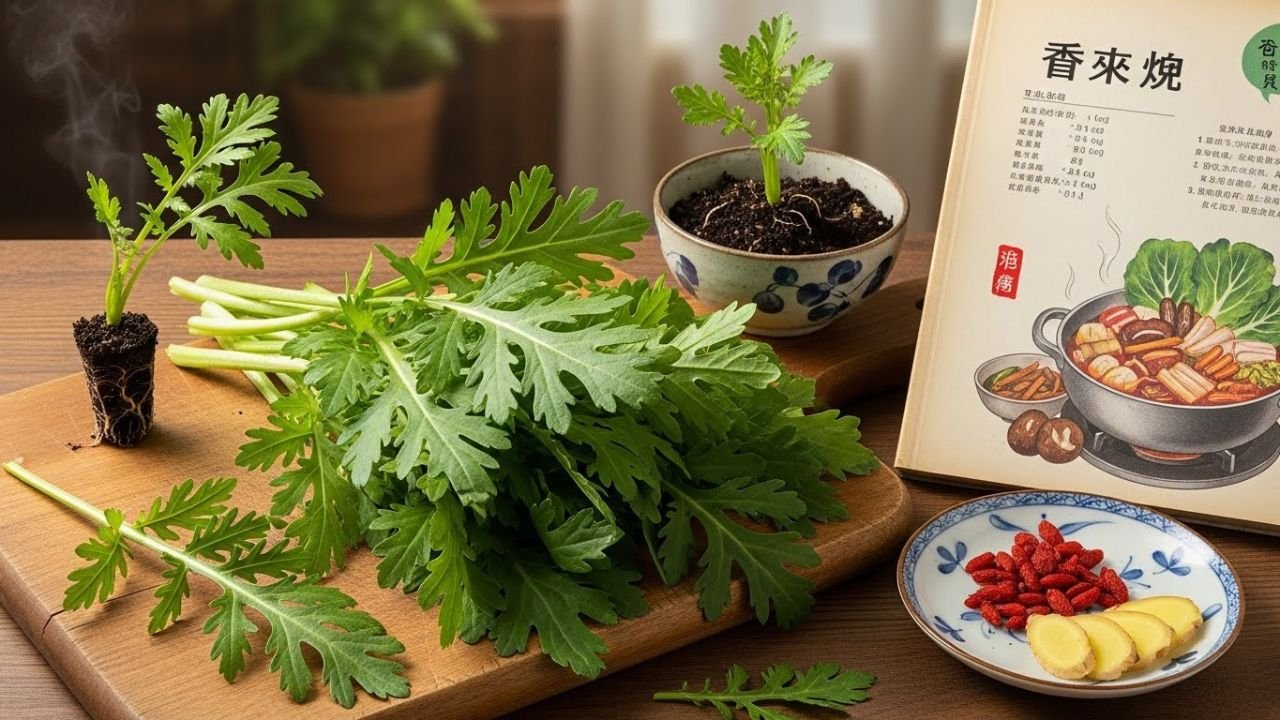
Tonghou is a lesser-known yet highly valued leafy vegetable that has long been part of East Asian cuisine. Commonly recognized in Chinese cooking, tonghou stands out because of its aromatic flavor, tender leaves, and impressive nutritional profile. While it may appear simple at first glance, this vegetable carries centuries of culinary tradition and cultural significance. Moreover, its versatility in the kitchen has helped it remain relevant in both traditional and modern dishes.
As global interest in Asian vegetables continues to grow, tonghou is gaining attention among food lovers and health-conscious cooks alike. To better understand its appeal, it is important to explore its origins, taste, nutritional value, and diverse culinary uses.
What Is Tonghou?
Tonghou refers to edible chrysanthemum leaves, also known as Chrysanthemum greens or garland chrysanthemum. In Mandarin, it is often called Tong Hao (茼蒿). Although the chrysanthemum plant is widely admired for its flowers, this specific variety is cultivated for its leaves and stems rather than its blooms.
The leaves are soft, slightly serrated, and bright green, while the stems remain tender when harvested at the right time. Unlike many mild leafy greens, tonghou offers a distinct herbal aroma, which makes it instantly recognizable in cooked dishes.
Because of its unique flavor, tonghou is rarely eaten raw. Instead, it is typically cooked briefly to preserve both taste and texture.
Historical and Cultural Background
Tonghou has been cultivated in China for over a thousand years. Historically, it was valued not only as a food but also as a medicinal ingredient. In traditional Chinese food culture, vegetables were often selected for their ability to balance the body, and tonghou fit well into this philosophy.
Over time, tonghou spread to neighboring regions such as Japan and Korea. In Japan, it is known as shungiku, while in Korea it is called 쑥갓 (ssukgat). Despite regional differences in preparation, the vegetable maintained its reputation as a warming, aromatic green suitable for cooler seasons.
Even today, tonghou frequently appears in family meals, hot pots, and seasonal dishes, especially during autumn and winter.
Flavor Profile and Texture
One of the most defining features of tonghou is its bold yet pleasant flavor. It carries a mildly bitter, peppery, and herbal taste, which becomes softer when cooked. At the same time, it releases a fragrant aroma that enhances soups and stir-fries.
In terms of texture, the leaves are delicate, while the stems provide a light crunch if cooked properly. However, overcooking can cause the leaves to become limp and overly bitter. For this reason, tonghou is often added toward the end of cooking.
Because of its strong character, tonghou pairs well with rich broths, garlic, sesame oil, and fermented sauces.
Nutritional Value of Tonghou
Beyond its flavor, tonghou is prized for its nutritional benefits. It is a low-calorie vegetable packed with essential nutrients, making it a valuable addition to balanced meals.
Key Nutrients Found in Tonghou
-
Vitamin A – Supports eye health and immune function
-
Vitamin C – Boosts immunity and aids collagen production
-
Vitamin K – Important for blood clotting and bone health
-
Folate – Supports cell growth and metabolism
-
Dietary Fiber – Aids digestion and gut health
Additionally, tonghou contains antioxidants that help combat oxidative stress. As a result, it is often recommended in diets focused on wellness and natural nutrition.
Common Culinary Uses of Tonghou
Tonghou’s versatility allows it to be prepared in several traditional and modern ways. While it is most commonly used in East Asian cooking, creative chefs have started incorporating it into fusion dishes as well.
Tonghou in Hot Pot
Perhaps the most popular use of tonghou is in hot pot dishes. The leaves are briefly dipped into simmering broth, where they soften quickly and absorb the surrounding flavors. This method preserves the vegetable’s aroma while preventing bitterness.
Because of this, tonghou is often served alongside meats, tofu, and mushrooms.
Stir-Fried Tonghou
Another classic preparation involves quick stir-frying with garlic and oil. In this method, high heat and short cooking time are essential. A splash of soy sauce or oyster sauce may be added for depth.
This simple approach allows tonghou to shine as a standalone side dish.
Soups and Broths
Tonghou is frequently added to clear soups, especially in Chinese home cooking. Its herbal notes enrich light broths made with chicken, pork bones, or seafood. Often, it is added just before serving to maintain freshness.
Tonghou in Traditional Medicine and Wellness
In traditional Chinese dietary practices, tonghou is believed to have cooling and calming properties. It has often been associated with relieving internal heat, aiding digestion, and supporting liver health.
While modern nutrition science focuses more on measurable nutrients, these traditional beliefs have helped keep tonghou relevant in everyday diets. Moreover, its light nature makes it suitable for people recovering from illness or seeking gentle, nourishing meals.
How to Select and Store Tonghou
Choosing fresh tonghou is essential for the best flavor and texture. When shopping, look for bunches with vibrant green leaves and crisp stems. Yellowing leaves or slimy textures should be avoided.
Storage Tips
-
Wrap tonghou loosely in a paper towel
-
Place it in a breathable bag
-
Store in the refrigerator’s vegetable drawer
When stored correctly, tonghou can remain fresh for up to three to four days. However, it is best consumed as soon as possible for optimal taste.
Cooking Tips for Best Results
Although tonghou is easy to cook, a few simple techniques can make a significant difference.
First, always wash the leaves thoroughly to remove dirt. Then, trim thicker stems if necessary. When cooking, add tonghou near the end to prevent overcooking.
Additionally, pairing it with flavorful ingredients such as garlic, ginger, or sesame oil helps balance its natural bitterness.
Modern and Fusion Dishes Featuring Tonghou
As interest in global vegetables grows, tonghou has started appearing in innovative recipes. Some chefs use it in noodles, dumpling fillings, or even savory pancakes. Others blend it into green sauces or add it to grain bowls for an aromatic twist.
Although these uses are less traditional, they demonstrate how tonghou can adapt to modern culinary trends without losing its identity.
Why Tonghou Deserves More Attention
Despite its long history, tonghou remains underappreciated outside of Asian communities. However, its bold flavor, health benefits, and culinary flexibility make it a vegetable worth exploring.
As people continue seeking nutritious and flavorful ingredients, tonghou offers a unique option that bridges tradition and modern cooking. With proper preparation, it can elevate simple meals and introduce new dimensions of taste.
Conclusion
Tonghou is far more than just a leafy green. It is a vegetable deeply rooted in history, culture, and nutrition. From comforting hot pots to quick stir-fries, its presence adds aroma, depth, and character to countless dishes.
By understanding how to select, cook, and enjoy tonghou, home cooks and food enthusiasts can unlock its full potential. Ultimately, this humble yet powerful green proves that even the simplest ingredients can carry rich stories and remarkable flavors when given the attention they deserve.