

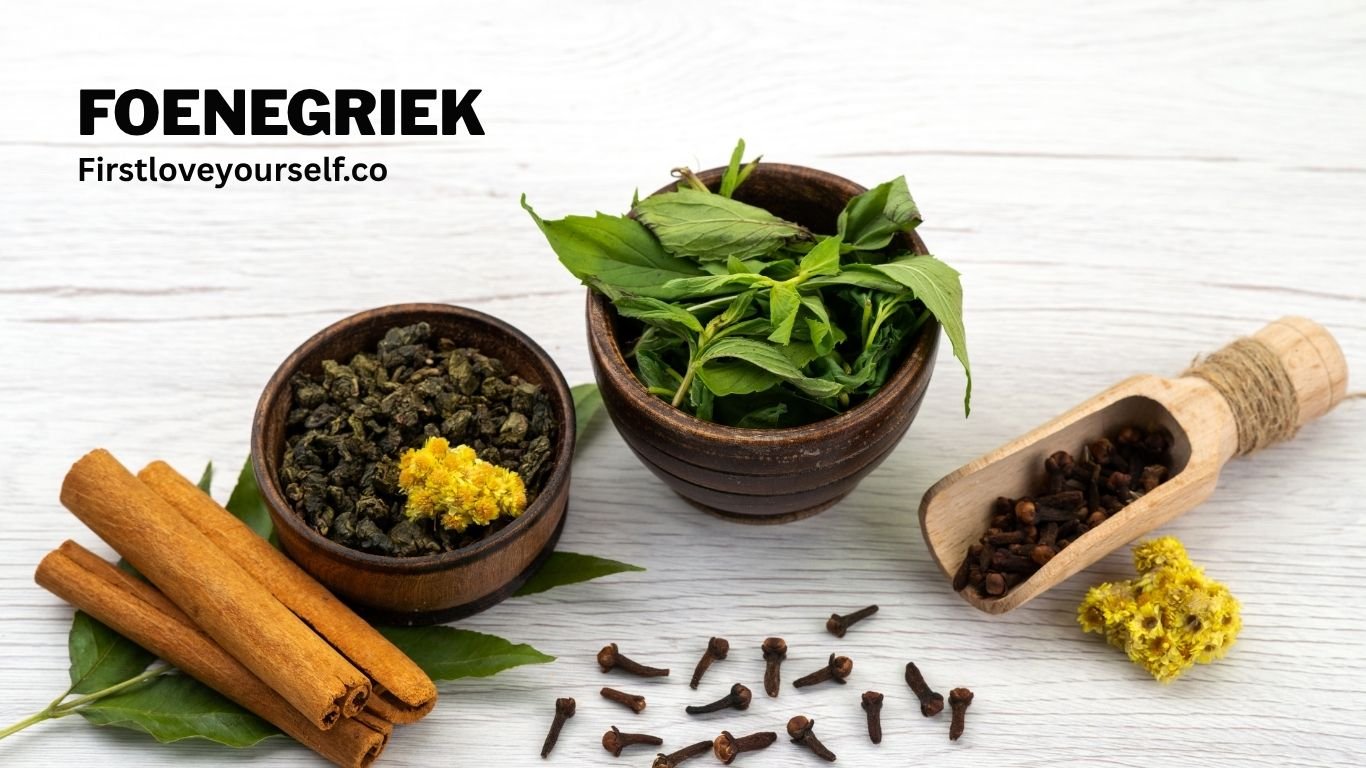
Foenegriek, better known as fenugreek, is a small herb that has stood the test of time. Originating from the Mediterranean and South Asia, it’s been cultivated for thousands of years for its seeds, leaves, and health-promoting properties. Ancient Egyptians used it for embalming, Greeks and Romans saw it as cattle fodder, and Indian Ayurveda texts praised it for healing and nourishment.
Today, Foenegriek continues to bridge tradition and modern wellness. From its distinctive aroma to its medicinal versatility, this humble plant has proven to be far more than a kitchen spice.
Botanical Profile of Foenegriek
Foenegriek (scientific name Trigonella foenum-graecum) belongs to the Fabaceae or legume family. The plant typically grows between 30 to 60 cm tall, with green leaves and small white or yellowish flowers that give rise to slender pods. Each pod holds 10–20 hard, yellow-brown seeds — the true powerhouse of the plant.
The seeds are triangular and possess a bittersweet, nutty flavor. When ground or soaked, they release a maple-like aroma, which is why fenugreek extracts are sometimes used as flavoring agents in syrups and foods.
Historical and Cultural Importance
The use of Foenegriek spans civilizations. In ancient Egypt, it was found in the tomb of Tutankhamun, a sign of its sacred and medicinal value. The Greeks used it to boost appetite, while the Romans fed it to horses for strength — hence its Latin name foenum-graecum, meaning “Greek hay.”
In traditional Indian medicine (Ayurveda) and Chinese herbalism, fenugreek holds a significant role. It’s used to balance the body’s energies, improve digestion, and regulate blood sugar levels. The plant’s adaptability across climates and cultures helped it spread from the Middle East to Africa and later into Europe.
Today, Foenegriek remains an essential part of Indian, Middle Eastern, and North African cuisines, not just for flavor but for its many health-promoting qualities.
Nutritional Composition: A Natural Powerhouse
Foenegriek seeds are nutritionally dense. They contain a remarkable combination of proteins, fibers, vitamins, and minerals that support various bodily functions.
-
Protein: Around 23–26% protein content makes it a valuable supplement, especially for vegetarians.
-
Fiber: High levels of soluble fiber help regulate digestion and control blood sugar.
-
Vitamins: Rich in vitamin A, C, and several B-complex vitamins, which promote immunity and metabolism.
-
Minerals: Excellent source of iron, magnesium, manganese, and calcium.
-
Phytochemicals: Includes saponins, alkaloids, and flavonoids, all of which have antioxidant and anti-inflammatory properties.
These nutrients make Foenegriek a potent natural supplement that supports overall wellness from within.
Health Benefits of Foenegriek
1. Regulating Blood Sugar Levels
One of the most studied benefits of Foenegriek is its ability to help manage diabetes. The soluble fiber galactomannan slows down the absorption of sugars in the intestine, preventing sudden spikes in glucose. Moreover, compounds like trigonelline and 4-hydroxyisoleucine improve insulin sensitivity, making Foenegriek a supportive herb for diabetic individuals.
2. Enhancing Digestion
Foenegriek seeds have been used traditionally as a digestive aid. They stimulate the production of digestive enzymes and help relieve constipation and acid reflux. Their mucilaginous nature soothes the lining of the stomach and intestines, promoting smooth digestion.
3. Supporting Women’s Health
In both folk and modern medicine, Foenegriek is known for balancing hormonal activity. It may help alleviate menstrual discomfort, increase milk production in lactating mothers, and support overall reproductive health. Some studies also suggest it can improve libido in women due to its phytoestrogenic properties.
4. Boosting Male Vitality
Foenegriek isn’t limited to women’s health. Research indicates it may help increase testosterone levels and improve stamina in men. Its saponin compounds stimulate hormone production, potentially enhancing energy, endurance, and physical performance.
5. Promoting Hair and Skin Health
When used topically or consumed regularly, Foenegriek supports healthy hair growth and radiant skin. The seeds are rich in lecithin and nicotinic acid, which strengthen hair follicles, reduce dandruff, and maintain scalp moisture. For the skin, the antioxidants help fight inflammation and prevent premature aging.
6. Weight Management
Thanks to its high fiber content, Foenegriek promotes satiety and reduces appetite. This makes it a useful natural aid for weight control. Drinking soaked fenugreek water in the morning is a popular home remedy to curb cravings and support metabolism.
Culinary Uses of Foenegriek
Foenegriek holds a prominent place in many kitchens around the world.
-
Seeds: Used in curries, pickles, and spice blends like garam masala.
-
Leaves: Known as methi in India, the fresh or dried leaves are used in flatbreads, soups, and stews.
-
Sprouts: A nutritious addition to salads and stir-fries, offering a mildly bitter, nutty flavor.
Roasting the seeds before use reduces their bitterness and enhances their aroma. In small amounts, Foenegriek adds depth and warmth to dishes without overpowering them.
Traditional Remedies and Modern Applications
Foenegriek has long been a key ingredient in traditional medicine systems like Ayurveda, Unani, and Chinese medicine. Its paste or decoction is used to treat various ailments such as fever, sore throat, inflammation, and respiratory issues.
Modern science now backs many of these traditional claims. Foenegriek extracts are included in:
-
Herbal supplements for blood sugar and cholesterol management.
-
Cosmetic products for skin and hair care.
-
Nutritional shakes and teas for general wellness.
Its blend of tradition and research makes Foenegriek a trusted choice in both natural and pharmaceutical health industries.
How to Use Foenegriek Safely
While Foenegriek is generally safe, moderation is key.
-
Dosage: Typically, 1–2 teaspoons of seeds or powder daily is considered safe for most adults.
-
Preparation: Soaking seeds overnight makes them easier to digest and enhances nutrient absorption.
-
Precautions: Pregnant women should consult a healthcare provider before using large amounts, as Foenegriek can sometimes induce contractions. People on diabetes or blood-thinning medication should also seek medical advice.
As with any herbal remedy, it’s best used as part of a balanced diet rather than as a cure-all.
Foenegriek in Modern Research
Recent studies highlight Foenegriek’s pharmacological potential in preventing chronic diseases. Research points to its:
-
Anti-diabetic effects due to its fiber and alkaloid composition.
-
Cholesterol-lowering properties that improve heart health.
-
Antioxidant capacity, which may help protect cells from oxidative stress.
Scientists continue exploring its bioactive compounds for use in medicine, especially in metabolic and hormonal health.
Conclusion:
Foenegriek is more than just an old-world spice. It’s a botanical bridge between traditional healing and modern nutrition — a reminder that nature’s simplest plants often carry the greatest power. From enhancing digestion to balancing hormones and supporting hair and skin, its benefits touch nearly every aspect of human health.
As research continues to validate what ancient healers already knew, Foenegriek stands as a timeless herb for those seeking wellness the natural way — grounded, aromatic, and profoundly healing.

